Woodard Hypnosis and Research, Inc.
Psychotherapy - Hypnotherapy - Spirituality
Dr. Fredrick Woodard attained his Doctor of Philosophy in Clinical Psychology (PhD) at California School of Professional Psychology in 2002[APA Accredited] & a Doctor of Clincal Hypnotherapy (DCH)at The American Institute of Hypnotherapy in 1992. He is a registered and certified clinical hypnotherapist, a licensed clinical psychologist, a member of the American Psychological Association, American Board of Hypnotherapy and the New Hampshire Psychological Association. Dr. Woodard has three masters degrees in different areas of psychology from University of West Georgia at
Souhegan Regional Reader's Choice Awards - Best of Souhegan Region 2017, 2018, 2019; Honorable Mention - Hypnotist Dr. Fredrick Woodard, Woodard Hypnosis and Research, Inc.
Clinical Hypnosis in New Hampshire
by Dr. Fredrick Woodard
Hypnosis helps you achieve your personal goals and dreams. through greater awareness and control of the external and internal influences within you and in the world around you while expanding your awareness. The ancient meaning of the word hypnosis was "...to put to sleep." Rather than going to sleep or being under another person's influence during hypnosis, the true power of hypnosis is your gaining greater awareness and control over your own mind, body, and spirit. Learning hypnosis can be equated with learning to drive a car. Your instructor is simply there to guide you, and what you do with the skill once you master hypnosis, is your choice. The best way to understand hypnosis, is simply to experience it for yourself. Hypnosis may take time and patience to develop as you become fully involved with hypnosis as you develop trust and understanding with your hypnotherapist. Anyone can experience hypnosis if they let themselves become fully engaged in the experience and remove fear and silence tha chatter in their minds.
Hypnosis is not following suggestions, but rather, a holistic subjective experience that improves with practice. How one percieves one's world, forms one's reality in everyday life. The ability of someone to alter his or her perception and thinking through hypnosis has many practical uses and advantages.
Relaxation improves your bodily functioning and enhances health. Hypnosis helps to change emotional experiences so that one may improve the way he or she feels each day. Creatively imagining your goals, dreams, and performance helps your unconscious mind create your reality. One also gains greater control over one's thoughts and emotions. As your experiences in everyday life improve, so does your relationships, since how you feel inside effects how others feel about you.
Hypnosis has been responsible for numerous case studies and reports of amazing accomplishments, such as, improving childbirth and surgery, removing fears of medical procedures, eliminate or reduce hypertension, healing sexual problems, recalling crime scene details leading to solving crimes, finding lost objects, healing skin disorders, curing migraine headaches, eliminating asthma, obessional habits, weight loss, smoking habits broken, stop nail biting, gastro-intestional problems, and even enhancing spiritual experiences. A traveling hypnotist discovered the talents of Edgar Cayce, the Christian mystic of
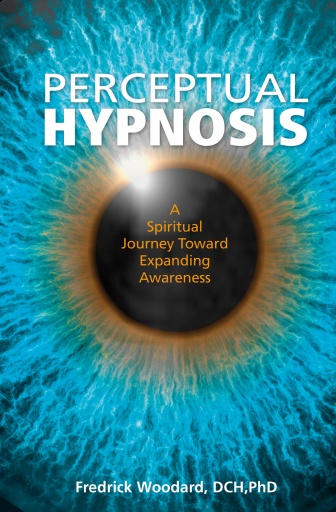
Interesting enough, those who oppose hypnosis, use many hidden techniques of influence and persuasion to guide you to see the world the way they want you to see it and act in the way they want you to act with little insight provided. If interested in hypnosis, you may purchase my book, "Perceptual Hypnosis" and try the CD in the book before starting hypnotherapy. Sites for my book are: